
About

Our Beliefs
The Word of God
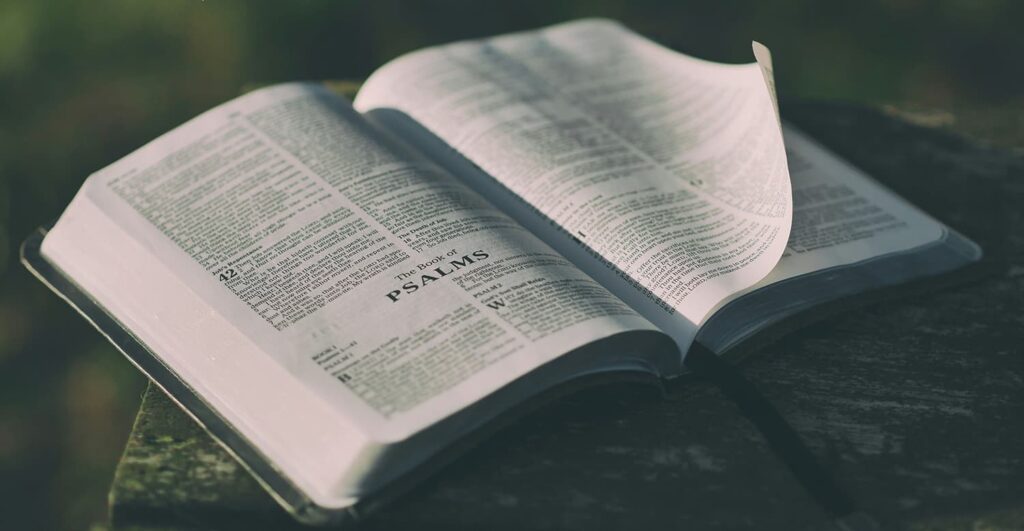
The Bible is the true and authoritative word of God, without error. It was written by men under the inspiration of the Holy Spirit and serves as the supreme authority in all matters of faith and life.
The Trinity
There is one living and true God, eternally existing in three persons—the Father, the Son, and the Holy Spirit. Each is equal in divine perfection, fulfilling distinct yet harmonious roles in creation, providence, and redemption.
God the Father
God the Father is an infinite and personal spirit, perfect in holiness, wisdom, power, mercy, and love. He compassionately concerns Himself with the lives of all believers. Through His grace, He saves all who come to Him through Jesus Christ, delivering them from sin and condemnation.
Jesus Christ
Jesus Christ is the only Son of God, conceived by the Holy Spirit and born of the virgin Mary. We believe in His sinless life, His miracles, and His teachings. His death on the cross and bodily resurrection atone for the sins of all who believe in Him. He ascended into heaven, where He intercedes for His people and from where He will visibly return to judge the world and gather all who believe in Him.
The Holy Spirit
The Holy Spirit proceeds from the Father and the Son to convict the world of sin, demonstrate its need for righteousness, and reveal the reality of coming judgment. He empowers all who believe in Jesus Christ, dwelling within every believer as an abiding helper, teacher, and guide.
Regeneration
All mankind are sinners by nature and by choice, and therefore, are subject to condemnation by a holy God. However, through God’s grace, those who repent of their sins and trust in Jesus Christ as their Savior are forgiven. They are delivered from condemnation and regenerated by the Holy Spirit.
Sacraments
Jesus Christ instituted the Lord’s Supper as a commemoration and visible proclamation of His death. The Lord’s Supper is a means of grace, uniting partakers in the bond of the Spirit. Christ also commanded baptism for believers and their children. God includes the children of believers in His covenant—all of His promises extend to them as well as to us.
Christian Conduct
All believers are called to live for the glory of God, demonstrating concern for their fellow men. They are to be Christlike in all actions, blameless before the world, and faithful stewards of all that God has entrusted to them.
Service Structure
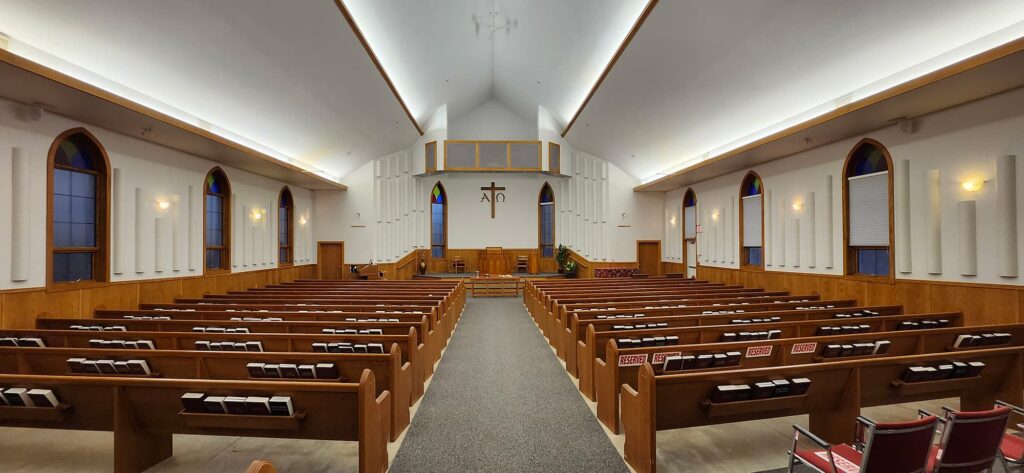
Our worship services at URC of Thunder Bay are structured to reflect God-honoring worship. Every church has a liturgy—an order of worship—and ours is rooted in historic Christian traditions, particularly those of the Reformation and early church fathers.
More importantly, our liturgy fully conforms to God’s Word. Worship is shaped by what He has revealed in Scripture, and it is a dialogue between God and His people. He speaks to us through His Word and sacraments, and we respond in prayer and song.
Every element of worship has a biblical foundation, allowing us to praise God with understanding and devotion.
Pre-Service Songs
The first part of our Order of Worship is our pre-service songs. Have you ever found it strange that church services officially begin at 10:00 (or at different times depending on the church), yet the first song is often sung five minutes earlier?
Our Order of Worship is designed to follow the teachings of the Bible. Where something is not expressly commanded, we follow biblical examples. We sing pre-service songs, following the example of the Israelites on their journey to Jerusalem. As they approached the city, the road was uphill, and they would sing the Psalms of Ascent. As they drew near to the house of God, they entered with praise.
In the same way, as we prepare to worship our God, what better way is there than to join together in singing His praises? It is worth arriving a little earlier so we can ready our hearts for worship through song.
Call to Worship
The service begins with the Triune God calling us to worship Him with reverence and awe. In the Call to Worship, we are invited to draw near and worship the living God.
It is significant that our worship begins with God speaking to us. We acknowledge that God has called us, His people, into His presence to worship. A text, often a Psalm, is read as a summons to the people of God: “O come, let us worship and bow down; let us kneel before the Lord our Maker!” (Ps. 95:6).
The words we hear are not merely inspiring thoughts to set the mood; they are God’s voice to us. He calls us to worship Him and to receive, from His open hand, the good gifts He provides for our souls. It is both wonderful and humbling to consider that God Himself calls us to worship!
Silent Prayer
After hearing God’s call to worship, we take a few moments of silent prayer to prepare our hearts before approaching our holy God. This time allows us to reflect on who God is and who we are as His people. We also use it to pray individually for the Lord’s blessing on our corporate worship—that He would be honored by it, and that we would be strengthened through it.
God’s Greeting
God’s Greeting is the section of our order of worship in which God responds to His people as they call on His name. He announces His grace and peace to all who come to Him through Jesus Christ. As God’s appointed ambassador, the minister raises his hands and declares God’s blessing from His Word: “Grace to you and peace from God our Father and the Lord Jesus Christ” (Romans 1:7). Though spoken by the minister, we believe these are truly God’s words of greeting to His people.
In our church, we traditionally stand for God’s greeting. We stand—not because God’s Word commands it, but as a gesture of reverence for His address to us. Though standing has long been a respected tradition, Scripture does not forbid remaining seated during this element of worship. However, when our Almighty God greets us, we believe it is fitting to stand in recognition of this great honour.
During this greeting, some reverently bow their heads to show respect, while others look upward, acknowledging the God who welcomes them. This is a personal choice. However we respond, may we always remember the blessing of such a greeting from God.
Song of Praise
Having received God’s blessing, we respond by lifting our voices to Him in praise, singing a psalm or biblical hymn. As Scripture commands, “Come into His presence with singing!” (Psalm 100:2).
The words we sing in worship are carefully chosen. Each song’s content must conform to Scripture and deepen our understanding of God. The pastor selects hymns and psalms that reinforce the sermon’s message and exalt the Triune God. We use songs that are focused on God and reverent.
Our desire is to be brought into the presence of the exalted God, using the voices He has given us to worship Him with all our might.
Reading of the Law
God’s law clearly tells us how we are to live and what He expects of us. While we read the Ten Commandments as a summary of His law, God’s law includes all His commands to His people throughout Scripture.
We do not read God’s law each week with the expectation of keeping it perfectly—the Heidelberg Catechism reminds us that none of us can fully obey this law in this life. Instead, God’s law serves to remind us that we do not come
before Him as if we are holy in ourselves, but rather through the forgiveness found in Christ.
Reading God’s law reveals our sin, leading us to seek His forgiveness and righteousness in Christ all the more. As we do so, we are reminded of the glorious grace of our salvation and are moved to praise. What better way to reflect on the holiness of our God, the greatness of His mercy and grace, and His worthiness of our worship?
Song of Confession
Having heard God speak to us through His law, we are driven to confess our sins. Together, as His people, we confess publicly and corporately through song, confessing to God: “Against You, You only, have I sinned and done what is evil in Your sight” (Psalm 51:4). As we sing, each of us also confesses silently, bringing our own individual sins before the Lord.
We seek to confess sincerely—acknowledging our brokenness in thought, word, and deed—and to receive God’s forgiveness through Jesus Christ with thankful hearts.
Assurance of Pardon
Each week, as we read God’s law and are reminded of our sins, we are not left in despair. After confessing our sins, we receive the joyful assurance of God’s promise: “If we confess our sins, He is faithful and just to forgive us our sins and cleanse us from all unrighteousness” (1 John 1:9).
As Christ’s ambassador, the minister declares God’s pardon to all who trust in Christ and repent of their sins. This good news of God’s grace fills us with gratitude, motivating us to serve the God of our salvation in thankfulness.
Confession of Faith
In our afternoon service, we confess together the Apostles’ Creed, Nicene Creed, or even the Athanasian Creed. As these well-known words flow from our lips, do we pause to consider why?
We confess these creeds not only to be instructed in the Christian faith but also as a prayer—declaring that we stand united in the truth God has revealed: “One Lord, one faith, one baptism, one God and Father of all” (Ephesians 4:5–6). The creeds and confessions beautifully summarize this revealed truth. They remind us of the glory of God, the wonders of our salvation, and our unity with the Church from generation to generation.
Song of Preparation
We sing in preparation for the spiritual feast God provides through the preaching of His Word. As we lift our voices in another psalm or hymn, we essentially echo the words of Scripture: “Your word is a lamp to my feet and a light to my path” (Psalm 119:105).
Prayer of Illumination
Once more, we call upon the Lord, asking Him to bless the reading and preaching of His Word. This reminds us that our hope is not merely for an engaging sermon that holds our attention, but for God Himself to speak to us through the reading and preaching of His Word.
Scripture
The public reading of God’s Word is an essential part of worship. As God’s inspired Word is read, He speaks, revealing His will to us. Having asked God to open our ears and hearts, we listen as He speaks through His Word.
This too— “the public reading of Scripture” (1 Timothy 4:13)—is an act of worship. We believe that God’s Word is perfect and unfailing. Along with His Spirit, it is the means by which He builds His Church. Therefore, we seek to immerse our worship in the richness of God’s Word.
Sermon
God speaks to us as His Word is explained and proclaimed. As the apostle Paul exhorted Pastor Timothy: “Preach the Word; be ready in season and out of season; reprove, rebuke, and exhort, with complete patience and teaching” (2 Timothy 4:2).
Among the many means of grace Christ has given His Church, the preaching of God’s Word holds primary importance. Through its proclamation, sinners are made aware of their need for Jesus Christ, the Redeemer, and believers are strengthened in their most holy faith. For “faith comes by hearing, and hearing by the Word of God” (Romans 10:17).
The spiritual health and strength of God’s people and His Church depend on their commitment to hearing and obeying His Word as it is faithfully preached and explained.
Song of Response
Having heard the Word of God preached, we respond in song. A song is typically chosen that reflects the message of the sermon. Through this, we praise God for what we have just heard and pray that He would shape us according to His Word.
As Scripture exhorts us, we “let the word of Christ dwell in [us] richly” by “singing psalms and hymns and spiritual songs, with thanksgiving in [our] hearts to God” (Colossians 3:16).
Congregational Prayer
In the congregational prayer, we unite our hearts in one voice—praising God’s name, confessing our need for His salvation, and lifting up the needs of our fellow members before Him. In the afternoon service, this prayer centers on intercession for the church’s work—both locally and globally.
The prayer requests we pray for in these prayers also serve as a guide for our personal prayers throughout the week.
Offering
As an act of worship, the deacons pass offering bags to collect gifts for a specific cause, which is noted in the bulletin. While visitors are under no obligation to give, members are called to give generously and with cheerful hearts, according to their ability (Deuteronomy 16:17; Proverbs 28:27; Hebrews 13:16; 2 Corinthians 9:6–13).
Through this offering, we acknowledge that all we have comes from God, and we respond in gratitude by supporting the work of His Church and caring for those in need.
Doxology
As our worship service draws to a close, the doxology serves as our final word as God’s people. Having heard His Word and been blessed through praise and prayer, we lift our voices in one final song of worship to His name.
This final song magnifies the supreme majesty and glory of God, while affirming our complete dependence on Him and His boundless goodness to us.
Benediction
With the Scripture benediction, God has the final word in our worship service. Although the Bible doesn’t command it, it is our practice to stand if able as a sign of respect. This benediction is not just a conclusion to the service, but it sends us forth with the assurance from God that we are forgiven, instructed and blessed! It assures us that God will give us the grace in the coming week to do what He has called us to do. “The grace of the Lord Jesus Christ and the love of God and the fellowship of the Holy Spirit be with you all” (2 Cor 13.14).
“Through the Scripture benediction, God speaks the final word in our worship service. While the Bible does not command it, we stand—if able—as a sign of reverence.
This benediction is not merely the conclusion of our worship—it is God’s assurance that we are forgiven, instructed, and blessed as we go forth. It reminds us that He will provide the grace we need in the coming week to fulfill what He has called us to do.
“The grace of the Lord Jesus Christ and the love of God and the fellowship of the Holy Spirit be with you all” (2 Corinthians 13:14).
Tithes & Offerings
During the service, the deacons pass offering bags to collect gifts for a specific cause, which is noted in the bulletin. While visitors are under no obligation to give, members are called to give generously and with cheerful hearts, according to their ability (Deuteronomy 16:17; Proverbs 28:27; Hebrews 13:16; 2 Corinthians 9:6–13).
Through this offering, we acknowledge that all we have comes from God, and we respond in gratitude by supporting the work of His Church and caring for those in need.
FAQ's
Being Reformed means embracing a Christian faith rooted in the Bible and shaped by the Protestant Reformation. It is a commitment, indicated by the Latin term reformatio which means “to return” or “be renewed,” emphasizing the goal of continual reformation (semper reformanda) by seeking alignment with God’s inspired Word, the Bible, as the supreme standard of truth and spiritual life.
Reformed believers affirm key biblical teachings found in confessions like the Heidelberg Catechism, Belgic Confession, and Canons of Dort. They uphold God’s sovereignty over all life and follow a Presbyterian church government, with Christ ruling through elders.
Unity is central (which is why we are called “United Reformed”)—they seek fellowship with like-minded churches, including through the North American Presbyterian and Reformed Council (NAPARC). Ultimately, being Reformed means living faithfully in the world
while remaining anchored in God’s truth.
The United Reformed Church of Thunder Bay is a member of the United Reformed Churches of North America (URCNA). You can view more information about the United Reformed beliefs and churches at their website: https://www.urcna.org/.
Creeds, catechisms, canons, and confessions serve as valuable guides for understanding and teaching the core doctrines of the Christian faith. They are not replacements for Scripture but faithful summaries of its teachings, helping believers articulate their beliefs clearly and consistently.
- Creeds (Apostles’ Creed, Nicene Creed, Athanasian Creed) affirm foundational Christian truths, providing a shared expression of faith across generations.
- Catechisms (The Heidelberg Catechism) uses a question-and-answer format to instruct believers, making biblical doctrines accessible for learning and reflection.
- Canons (such as the Canons of Dordrecht) address specific theological issues, offering clarity on essential doctrines like salvation and God’s sovereignty.
- Confessions (like the Belgic Confession & Westminster Confession of Faith) summarize biblical truths about God, scripture and salvation systematically, reinforcing unity in faith and ensuring doctrinal integrity within the church.
Together, these documents help the church remain faithful to biblical teaching, ensuring that belief and practice are rooted in God’s Word.
For further information please visit: https://threeforms.org/introduction-to-the-creeds-and-confessions/
While the Bible does not mandate a specific number of worship services, it emphasizes the importance of gathering for worship, encouragement, and keeping the Sabbath holy and as a day of rest (Hebrews 3:13; 10:25; Genesis 2:2-3; Exodus 20:8-11). Scripture also shows believers meeting frequently (Acts 2:42, 46; 20:7) and highlights the goodness of praising God and worshiping His name (Psalm 92:1-4).
Could worship be limited to one service? While possible, Scripture calls believers to crave God more and pursue holiness. Should we not long for more opportunities to worship together? If God is the joy of our salvation (Psalm 51:12), if we yearn to know Him more (1 Peter 2:2-3), and if training in godliness requires fixing our eyes on Him (1 Timothy 4:7-8; Hebrews 12:1-2; 1 Corinthians 9:24), then why would we not desire to spend more—not less—time in His presence?
Church membership is God’s gift and will for believers, providing unity, discipleship, accountability, and spiritual blessings within the body of Christ.
- United in Christ – As the body of Christ (Col 1:18), believers are joined to Him and one another, offering mutual encouragement and care (1 Cor 12:15-26; Phil 2:2).
- Commitment to Christ’s Church – Following Christ involves a public and meaningful commitment to His church (Matt 16:24; Heb 10:22-25). As Head of the Church (Eph 1:22-23) and King of His Kingdom (Matt 28:18), Christ leads His people through His Word, Spirit, and appointed leaders, ensuring spiritual care and oversight (John 17:17; John 14:26; Eph 4:11-12).
- Spiritual Growth & Accountability – The Bible implies formal membership, as seen in Acts 2:47 and Acts 6:3, where believers were added to the church and the group of believers appointed leaders. Membership enables church discipline, which preserves doctrine and restores believers (Matt 18:17-18; 1 Cor 5). Elders shepherd and guide members, providing essential pastoral care (Acts 14:23; Tit 1:5; Heb 13:17).
- Nourishment through Sacraments – The Lord’s Supper is a holy meal meant for church members, nourishing their faith and signifying participation in the body and blood of Christ. (1 Cor 10:16; John 6:22-60).
According to the United Reformed Churches in North America (URCNA, 2025),
Our children should not be excluded from baptism because of their inability to understand its meaning. Just as, without their knowledge, they share in Adam’s condemnation, so are they, without their knowledge, received to grace in Christ.
God’s gracious attitude toward us and our children is revealed in what He said to Abraham, the father of all believers: “And I will establish my covenant between me and you and your offspring after you throughout their generations for an everlasting covenant, to be God to you and to your offspring after you” (Gen 17:7). The apostle Peter also testifies to this with these words: “For the promise is for you and for your children and for all who are far off, everyone whom the Lord our God calls to himself” (Acts 2:39).
Therefore, God formerly commanded that children be circumcised as a seal of the covenant and of the righteousness that comes by faith. Christ also recognized that children are members of the covenant people when He embraced them, laid His hands on them, and blessed them (Mark 10:16). Since baptism has replaced circumcision as the sign and seal of the covenant (Col. 2:11–13), our children should be baptized as heirs of God’s kingdom and of His covenant.
As children grow up, their parents are responsible for teaching them the meaning of baptism.
“United Reformed Churches in North America – Liturgical Forms – Baptism of Infant – Form 1.”
Urcna.org, 2025, www.urcna.org/liturgical-forms-baptism-of-infant-form-1.
The United Reformed Church of Thunder Bay celebrates communion quarterly in the morning service.
If you do not trust in Jesus Christ alone for your salvation, we warmly welcome you to our worship services. However, we must also remind you that, according to Scripture, you remain under God’s condemnation. The holy food and drink of the Lord’s Supper will only further that condemnation, as the Word of God warns:
“Therefore, whoever eats this bread or drinks this cup of the Lord in an unworthy manner will be guilty of the body and blood of the Lord.” (1 Cor. 11:27)
If you are not a Christian, we pray that you will receive the Gospel message. Turn from yourself and cast yourself before Jesus Christ, trusting in His perfect life, sacrificial death, and glorious resurrection, and you shall be saved. If this describes you, we encourage you to speak with our pastor following the service.
Since this is the Supper of our Lord Jesus Christ—not merely that of the Thunder Bay United Reformed Church—the elders invite you to join us at the Lord’s Table if:
- You believe in the finished work of Jesus Christ alone for your salvation.
- You have been baptized in the name of the Triune God.
- You are a communicant member of another Protestant church that bears the “marks” of a true church: the pure preaching of the Gospel, the faithful administration of the sacraments, and the exercise of church discipline. Additionally, you must not be presently under church discipline.
Because the Lord’s Table is holy, the elders have a responsibility to guard it. If you are a visitor wishing to partake in this sacrament, the ushers will direct you to speak with one of the elders prior to the service.